The Living World
Objective
-
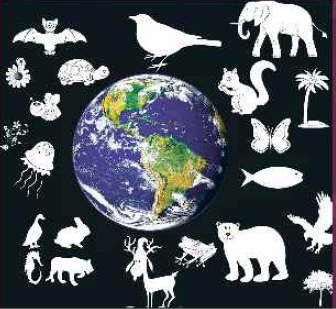
Bio Diversity
-
Characters of Living
-
Classification, Taxonomy and Systematics
Bio Diversity
-
Life on Earth - 4.6 Billion Years ago. (460 crore Years)
-
Estimated Eukaryotes - 8.7 Million (87 Lakhs) - Survey - Mora et al (2011).
-
Discovered Livings - 1.7 to 1.8 Million (17 to 18 Lakhs).NCERT
-
Yet to be discovered in Land - 86% Yet to be discovered in seas - 91%
-
Homosapiens - Topmost in Hierarchy - - Co exist Dependant - other plants and animals - For Food, Shelter, Labour in farming, etc
-
Bio diversity Term - Walter Rosen (1985) Defined by E D Wilson
-
Ecosystem Term - A G Tansley (1935)
Characters of Living
-
Growth - Increase in Number and Mass - Non Defining Character (Exceptions) - Even mountain Grow
-
Reproduction - Production of Young ones - Non Defining Character - Mules, Sterile bees, Infertile couples
-
Movement - Non Defining - Plants won't move
-
Cellular Organization - Defining Character (No Exceptions)NCERT
-
Metabolism - Defining Character
-
Self Consiousness - Defining Character
Classification, Taxonomy and Systematics
-
Classification - Grouping based on Characters
-
Taxon (Plural - Taxa) - Specific Group - At any Level
-
Classification - Use - Conveinient study Calssification - Use - Compare and Differntiate Calssification - Use - Understand evolution
-
Taxonomy - Science of Arrangement - Classification, Description, Identification, NamingNCERT
-
Taxonomy - Term - Augustin Pyramus de Candole (1813)NCERT
-
Father of Taxonomy (Calssical) - AristotleNCERT
-
Father of Modern Taxonomy - Carolus LinnaeusNCERT
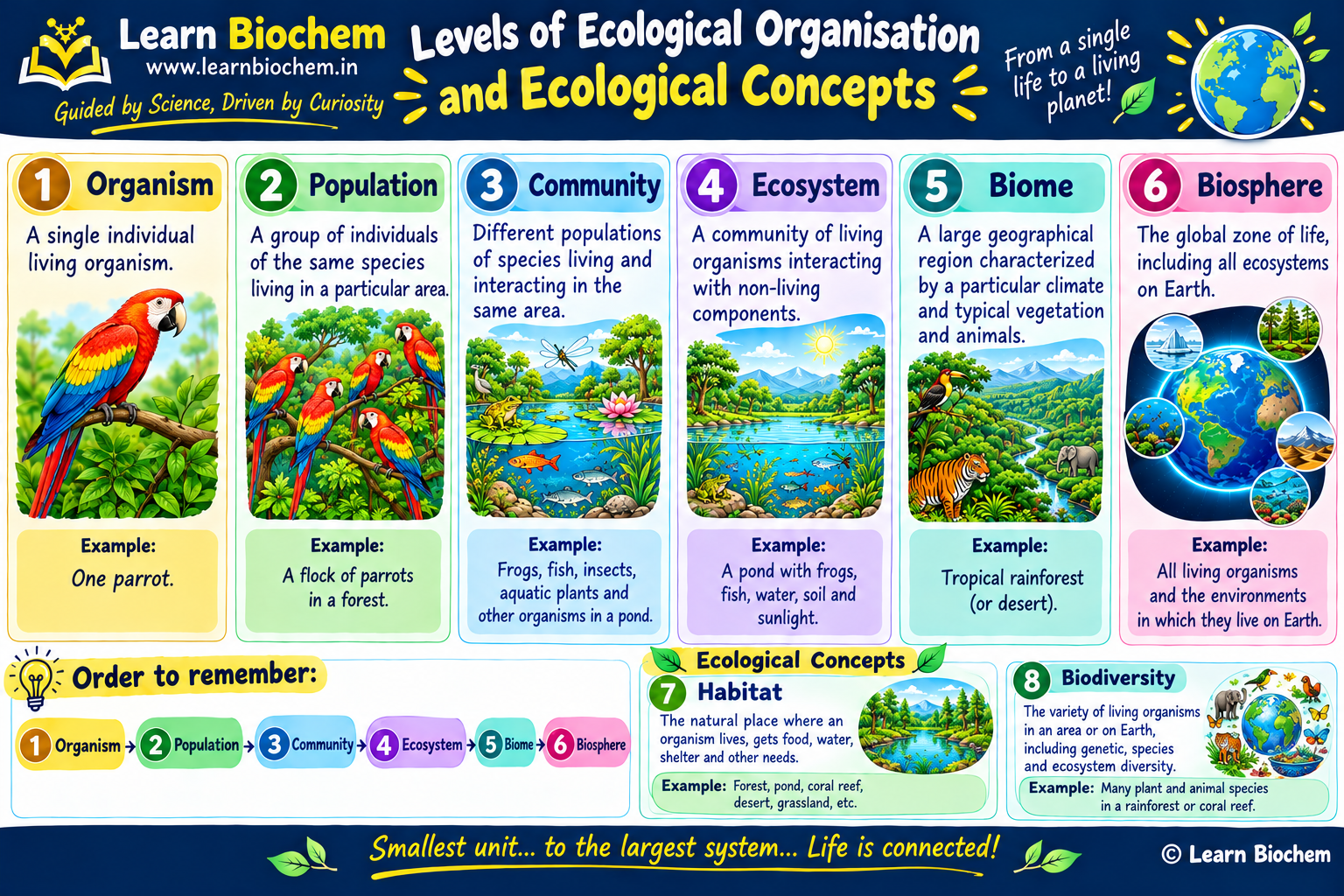
Figure 1.1: Schematic representation of biological hierarchy and taxonomy in the living world.
| Taxonomic Rank | Description / Feature | Example (Human) | Example (Mango) |
|---|---|---|---|
| Kingdom | Highest broad taxonomic rank grouping organisms based on core cellular plans. | Animalia | Plantae |
| Phylum / Division | Major subgroup within a kingdom sharing distinct structural organization. | Chordata | Angiospermae |
| Class | Collection of related orders sharing common anatomical traits. | Mammalia | Dicotyledonae |
| Order | Assemblage of families exhibiting similar vegetative and reproductive features. | Primata | Sapindales |
| Family | Group of related genera with less similarities compared to genus. | Hominidae | Anacardiaceae |
| Genus | Aggregated group of closely related species sharing common adaptations. | Homo | Mangifera |
| Species | Basic fundamental unit of taxonomic classification with interbreeding capability. | sapiens | indica |